In many industrial plants, the problem is not a lack of access to tools or parts, but rather a lack of real knowledge about their consumption. Stockpiling, manual records, and unclear inventory levels hinder purchasing planning and lead to excessive operational costs. A vending system streamlines this area by transforming parts dispensing into a data source that can be analyzed, compared, and used for making purchasing and logistical decisions.
How do vending machines generate savings? Five key mechanisms
1. Basing purchasing decisions on actual consumption data. Every withdrawal is recorded in the system along with information about the user, time, and type of item withdrawn. This allows for comparing consumption across shifts, workstations, and production periods. Purchases no longer rely on declarations but are driven by actual trends.
2. Limiting excessive withdrawals and uncontrolled stock accumulation. User identification and assigned limits eliminate situations where parts or consumables are withdrawn beyond actual needs. Lower unit consumption directly translates to reduced monthly and annual costs.
3. Maintaining inventory levels corresponding to actual turnover. Data on withdrawal frequency allows for reducing safety stock. Instead of storing surpluses, the company maintains quantities aligned with consumption rates, reducing the value of capital tied up in inventory.
4. Shortening access time to parts and tools at workstations. Machines located close to production lines eliminate queues and delays associated with material dispensing. Shorter withdrawal times mean less production downtime and improved team workflow.
5. Planning purchases based on repeatable consumption patterns. Withdrawal history allows for predicting demand in the long term. Purchases can be planned in advance, in stable volumes, which reduces emergency purchases and facilitates negotiations with suppliers.
The Key to Optimization: Utilizing Software (G-STOCK / G-BOX) for Full Control
The impact of a vending system on costs and logistics becomes apparent when dispensing data is used in ongoing operational work. Management software serves as an analytical tool that streamlines purchasing planning, inventory levels, and control processes.
Every withdrawal is recorded in the online system and assigned to a user, shift, and dispensing point. This ensures data continuity, even outside warehouse operating hours, and enables consumption analysis by shift and department.
Reports show the frequency and scale of withdrawals at individual workstations. This facilitates the identification of excessive consumption and sudden deviations before they lead to stock shortages or surpluses.
Historical data allows for planning purchases according to actual turnover rates, reducing emergency purchases and stabilizing inventory levels. Reports also support internal audits and compliance checks, providing clear, comparable consumption records.
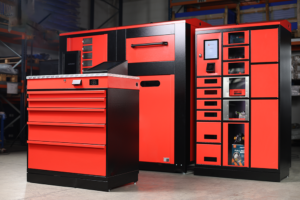
Differences Between Rotary, Cabinet, and Drawer Vending Machines
The differences between vending machines primarily stem from the nature of the resources, their intended use, and the level of control required in a given process.
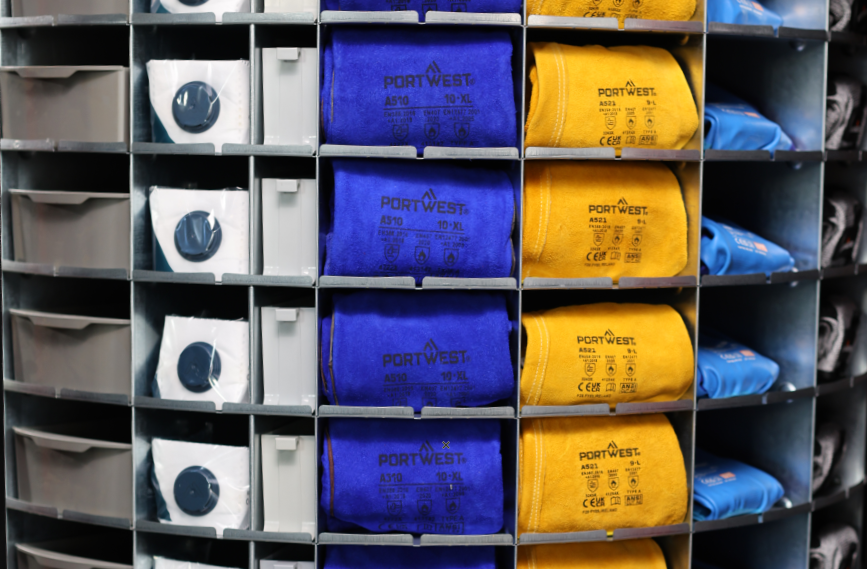
Rotary vending machines are designed for dispensing high-turnover items, such as PPE and consumables. They enable quick, unattended withdrawals around the clock, with simultaneous registration of each transaction. They are effective where availability and limiting withdrawals are important, without the need for controlling the return of individual items.
Cabinet vending machines support the distribution of tools, electronics, and equipment requiring user assignment. Each compartment can be linked to a specific product, which facilitates the recording of withdrawals and returns and reduces losses due to a lack of accountability for entrusted equipment.
Drawer vending machines provide the highest level of precision in managing small tools, components, and items of various sizes. Independent drawers allow specific items to be assigned to users or workstations, and detailed records of withdrawals and returns facilitate consumption analysis and replenishment planning.
A Long-Term Investment in Production Continuity
An industrial vending system ceases to be a simple dispensing point when it becomes a source of data on the actual consumption of parts, tools, and consumables. Streamlined resource flow, withdrawal identification, and trend analysis allow for reducing losses, stabilizing inventory levels, and planning purchases predictably.
In the long term, such an approach supports production continuity. It reduces the risk of material shortages, limits emergency purchases, and facilitates operational cost control without interfering with team workflow. Vending machines, properly selected for processes and supported by data, streamline internal logistics and create conditions for conscious consumption management across the entire facility.
We support industrial companies in streamlining resource flow and planning consumption based on data. If you are wondering which solution will work best in your production environment, please contact us!